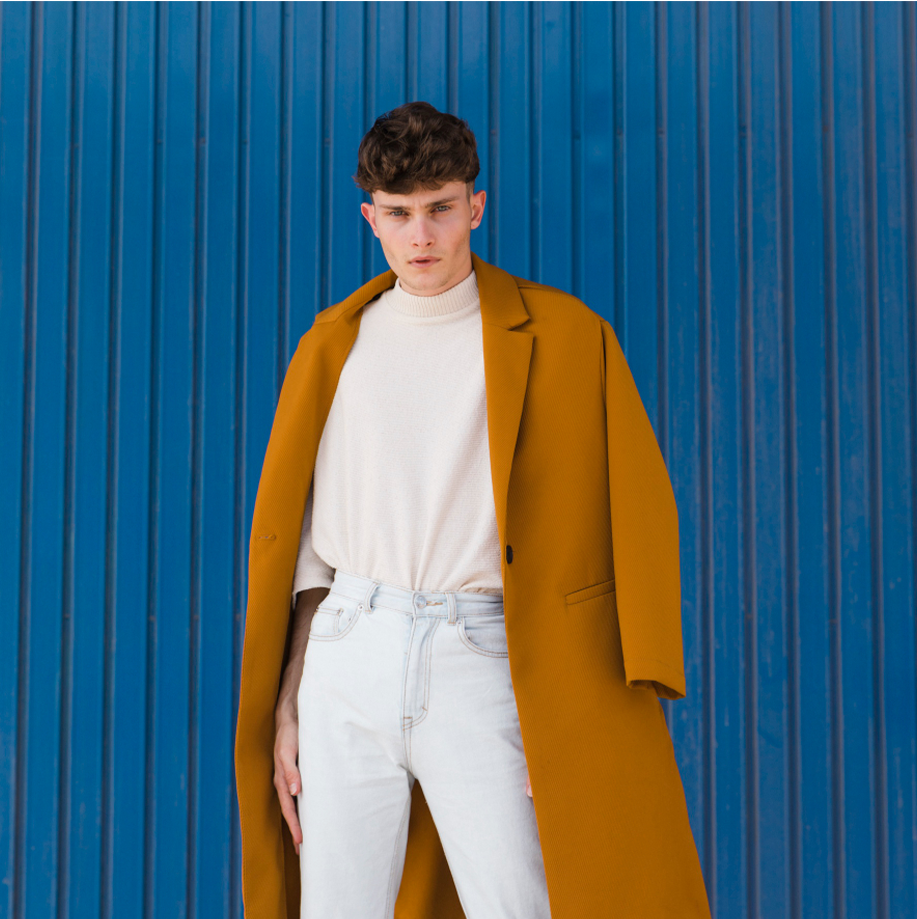
The Unexpected Chemistry Of Textures And Layers
Great outfits often begin with an unexpected combination. A soft cotton shirt beneath a structured jacket, a lightweight knit over a flowing dress, or a relaxed overshirt paired with fitted trousers can completely change an appearance. Artistic layering brings together different fabrics, shapes, and proportions to create clothing combinations that feel original and visually interesting. Rather than following predictable outfit formulas, this approach encourages experimentation. For men and women, layering offers an opportunity to express creativity while making familiar wardrobe pieces feel entirely different.
The Art Of Unexpected Combinations
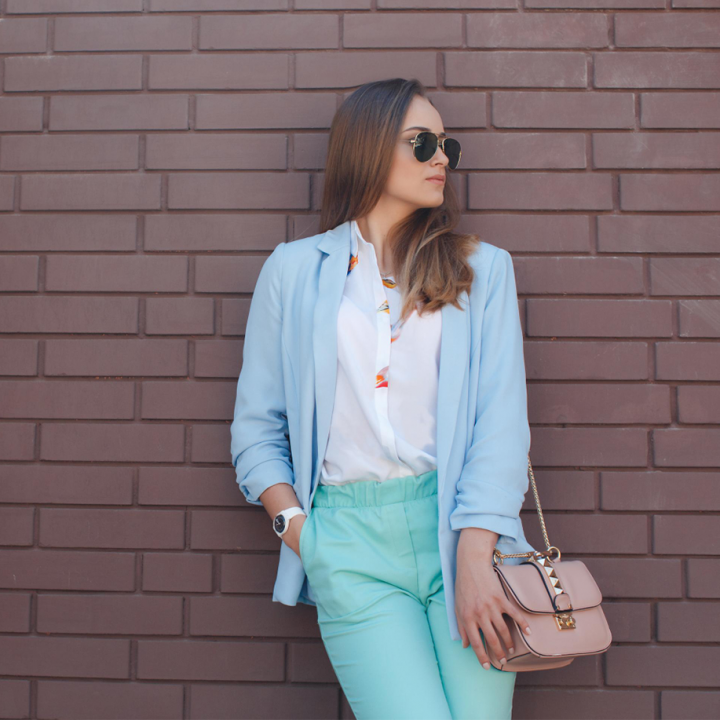
Layering becomes interesting when contrasting elements work together. A crisp shirt worn beneath a loose sweater creates a pleasing balance between structure and softness. Similarly, a flowing skirt paired with a cropped jacket introduces movement and definition. These combinations make clothing appear more dynamic without requiring elaborate designs. The beauty of artistic layering lies in bringing together pieces that might initially seem unrelated. With the right proportions and colours, even ordinary garments can form a striking ensemble that feels natural rather than overly planned.
When Fabrics Create Their Own Conversation
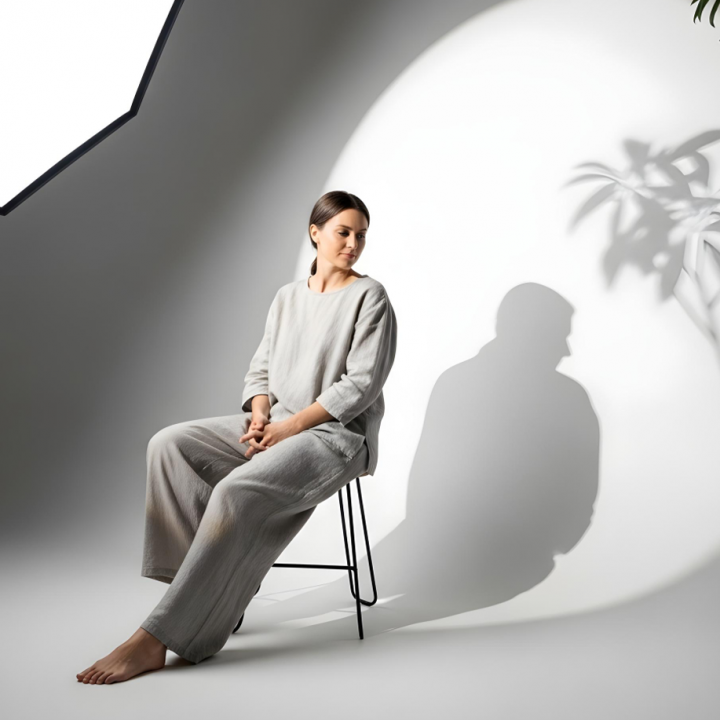
Texture plays an important role in giving layered outfits depth and character. Smooth satin, breathable cotton, ribbed knitwear, textured linen, and sturdy denim each contribute something different. Combining contrasting materials prevents an outfit from appearing flat or repetitive. A linen shirt beneath a denim jacket creates a relaxed finish, while a soft knit paired with tailored trousers introduces a refined contrast. The goal is to let each fabric contribute to the overall appearance without competing for attention. Subtle differences in texture can often produce the most appealing results.
Playing With Lengths And Proportions
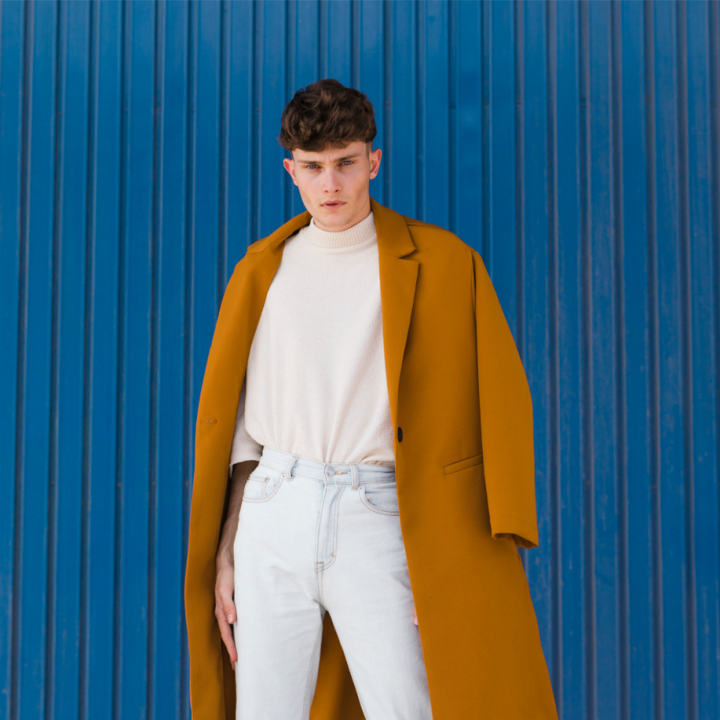
One of the most creative aspects of layering involves experimenting with garment lengths. A long shirt extending beneath a shorter sweater adds dimension, while a loose fit blazer worn over a fitted top creates a balanced silhouette. Men can experiment with longer T-shirts beneath open overshirts, while women can combine cropped layers with flowing dresses or high-waisted trousers. These arrangements introduce visual interest and help define different sections of an outfit. Paying attention to proportion ensures that each layer remains visible without making the overall combination appear unnecessarily bulky.
The Subtle Drama Of Colour Contrasts
Colours can transform layered clothing into a more expressive composition. Monochromatic combinations create a refined appearance by bringing together different shades of the same colour. Earthy tones such as olive, camel, chocolate, and cream offer warmth, while contrasting shades introduce a more playful character. A muted blue shirt beneath a charcoal jacket can look sophisticated, while a soft pink blouse paired with deep brown creates an unexpected harmony. Thoughtful colour placement allows each garment to stand out while maintaining a consistent visual direction.
Lightweight Layers For Everyday Comfort
Artistic layering does not always require heavy clothing or colder weather. Lightweight fabrics make it possible to experiment with this approach throughout different seasons. Open linen shirts, breathable overshirts, sleeveless knit tops, and relaxed cotton jackets can create interesting combinations without excessive warmth. Choosing suitable materials helps maintain comfort during daily activities. An unbuttoned shirt over a simple top offers casual appeal, while a lightweight outer layer can make an otherwise basic outfit appear more complete. Practicality remains just as important as appearance.
Creating Character Through Personal Styling
The most memorable layered outfits often reflect individual preferences rather than fixed fashion rules. Some people enjoy relaxed shapes and subtle colour combinations, while others prefer sharper contrasts and experimental arrangements. Artistic layering allows both approaches to coexist. Starting with familiar wardrobe essentials and gradually introducing contrasting pieces makes experimentation easier. Trying different combinations in front of a mirror can reveal possibilities that were previously overlooked. Small changes in fabric, length, or fit can completely transform the final appearance.
Ultimately, artistic layering celebrates creativity through clothing. By combining contrasting textures, balancing proportions, and experimenting with familiar garments, men and women can develop outfits that feel expressive, comfortable, and refreshingly different.